
Arirang
A homecoming

BTS had last appeared on stage together in Busan on 15 October 2022. They showcased hard- hitting rap titles, such as Ugh! and Cypher PT.3 : KILLER (Feat. Supreme Boi) among others, and performed like their rent was due. The concert carried a simmering sombre undertone and the members grew emotional as they took their bow at the end. We learned why the next day, when they announced that the members would be serving military conscription, mandatory in South Korea, for two years. This effectively meant a long hiatus from group performances. The decision came after prolonged anticipation of a waiver given the immense cultural impact (and economic benefit) that South Korea garnered on the giant shoulders of BTS. Although there are no proper public details on this decision, they did not get the exemption from conscription. And the boys took it in their stride.
The day they announced this ‘hiatus’ plunged me deep into the throes of a sadness I didn’t think was possible. At the time, I was home with my parents, trudging through a sabbatical brought on by severe burnout. This felt like the last light in my soul was switched off. I walked around the house puffy-eyed for a few days, much to my parents’ confusion and gentle concern.
In the last few years, I explored an experimental journey of my own too, personally and professionally. It has been uncomfortable but it busted me open in the best way possible (the cracks are where the light gets in and all that). So, when almost four years later, Arirang, their comeback album, was finally announced for release on 20 March 2026, I was not prepared. Maybe it was because I am not the person I was in 2022 either, and despite traipsing through the last few years lost and confused, I knew their music would compel me to revisit myself. I was nervous, cautiously excited.
The members were planned to go into the military in a staggered manner, and had solo albums and tours planned. This was not revealed immediately, and became clearer as the months unfolded. Each of the members discovered their own identities and separate voices outside of BTS; some of them took to it like fish to water, the others, more tentatively. Regardless, they all bloomed in their art. The music of BTS has often felt like comfort food, but the boys ate with their individual works.
Namjoon’s Indigo had tracks that reflected a gentle, passionate lyricism. Closer from it is my favourite, the yearning really comes out from under his skin. Initially, Indigo had felt slightly curated to me, but his sincerity shone, and a number of the tracks featured other artists whose varied flavour only added to Namjoon’s velvety voice and thoughtful lyrics. This album was an ode to his 20s, reminiscent in the fading colour of denim. It’s always a treat to witness Namjoon tie in colour and visual aspects to a story. Another easter egg of this album that highlights his attention to detail: the physical album comes with a set of postcards, each a print of a cyanotype or a photograph, related to a little backstory of every track on the album. It sent waves of satisfaction rippling across my brain.
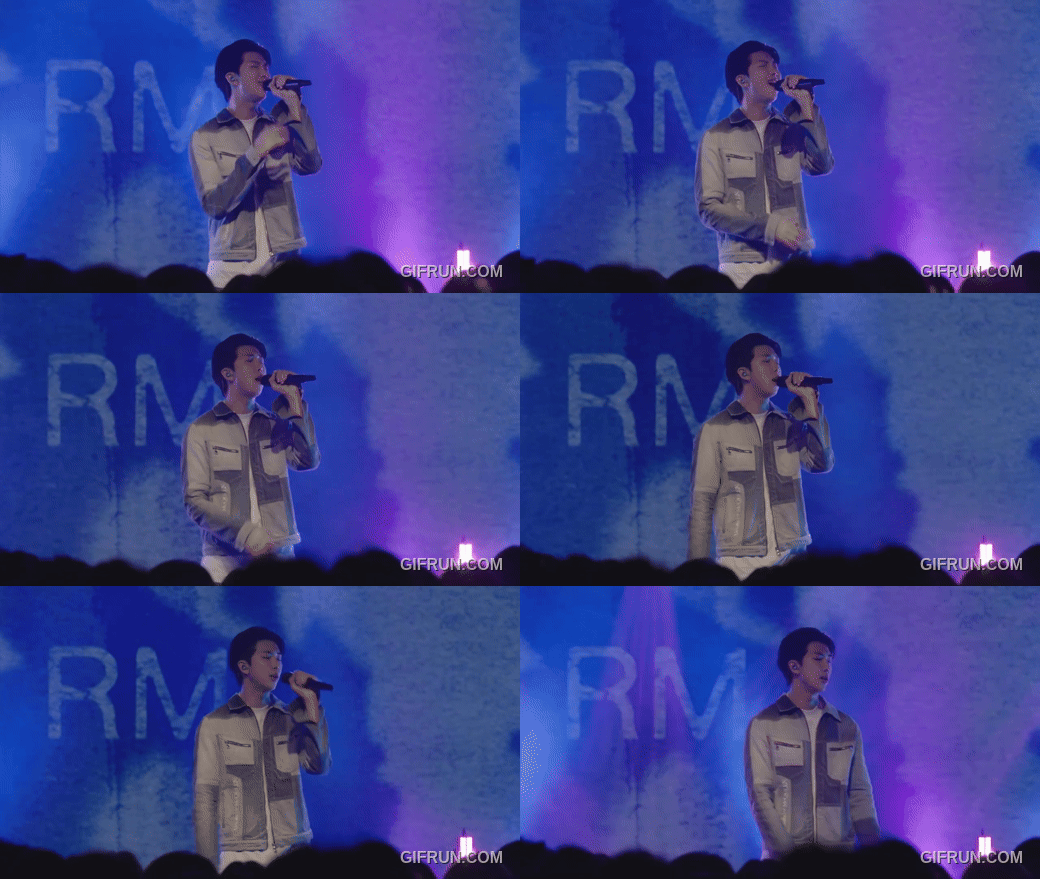
Right People, Wrong Place (“RPWP”) that came a bit later was an angry album, it was raw and intense, like his lyrics; written in his messy handwriting. The music videos starred a buzzcut Namjoon vocalising an angst that comes from treachery and channeled deeply into his art; its sound was unpredictable, sexy. Nuts from it stayed with me the most. That song is livid, but also wants to pleasure you till your eyes roll back into your head. It follows a low scrambling beat till it lilts off as he sings: “Now, lay back, You’ve never been so high, Know you’re afraid of heights, I will close your eyes…”
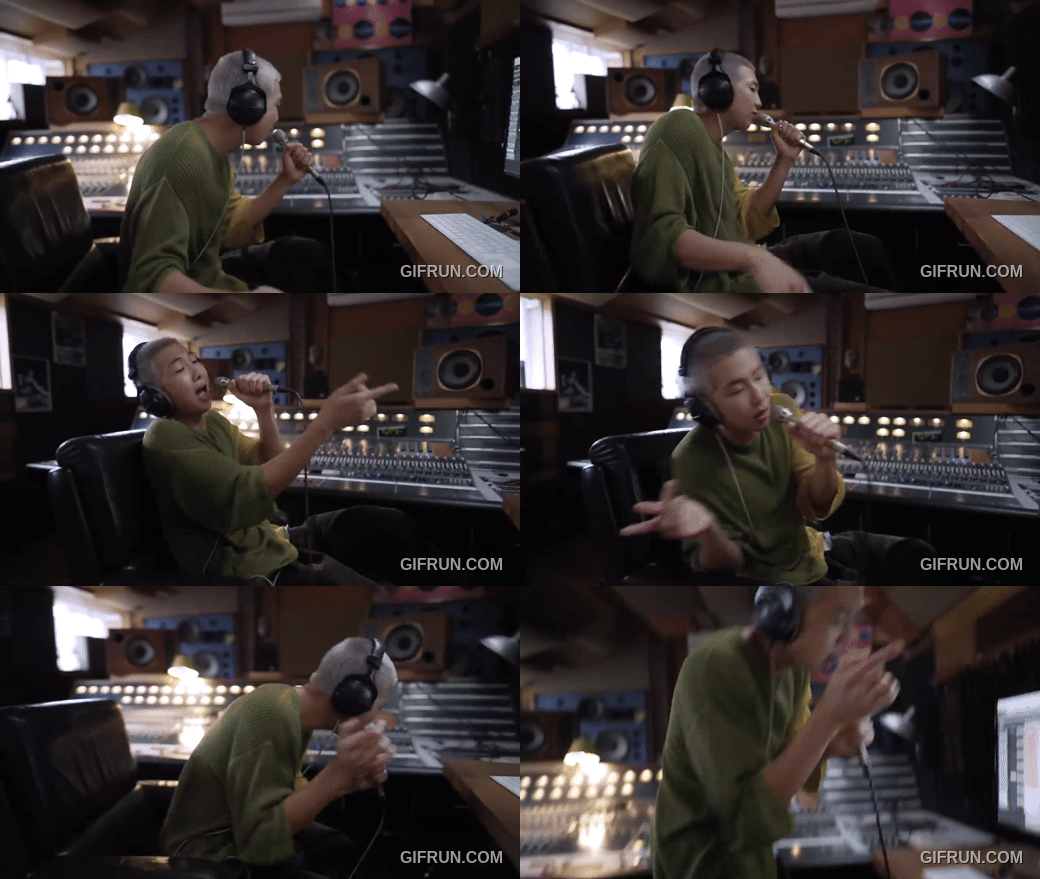
Although this was much before the enlistment, I can’t not mention his underrated mixtape Mono that he put together in 2018; a jewel of a mini album that put words to grief and loneliness in a way that only a true artist like Namjoon could.
Yoongi’s D-Day felt like a stormy sky threatening to rain, but comforting with its cool breeze. Yoongi’s writing carries a dulcet pain, emerging from a place he doesn’t wear on his sleeve but translates effortlessly in his work. His songs also carry over stories. For example, in the Daechwita music video he had a vertical scar over his right eye, a song that explores a duality of torment and madness (by the way, the drop in beats and the quiet, stuttered rapping style at 2:43 gets me salivating even now). Later on, in the track Amygdala from D-Day, he unfolds the story of that scar formed from childhood trauma, depression and self-harm. It wrenched open my heart while also leaving me stunned at the wealth of emotion this man can evoke. Like with Daechwita, Amygdala also runs on a theme of duality. Here, Yoongi is desperately looking for help, only to learn that he is his own saviour.
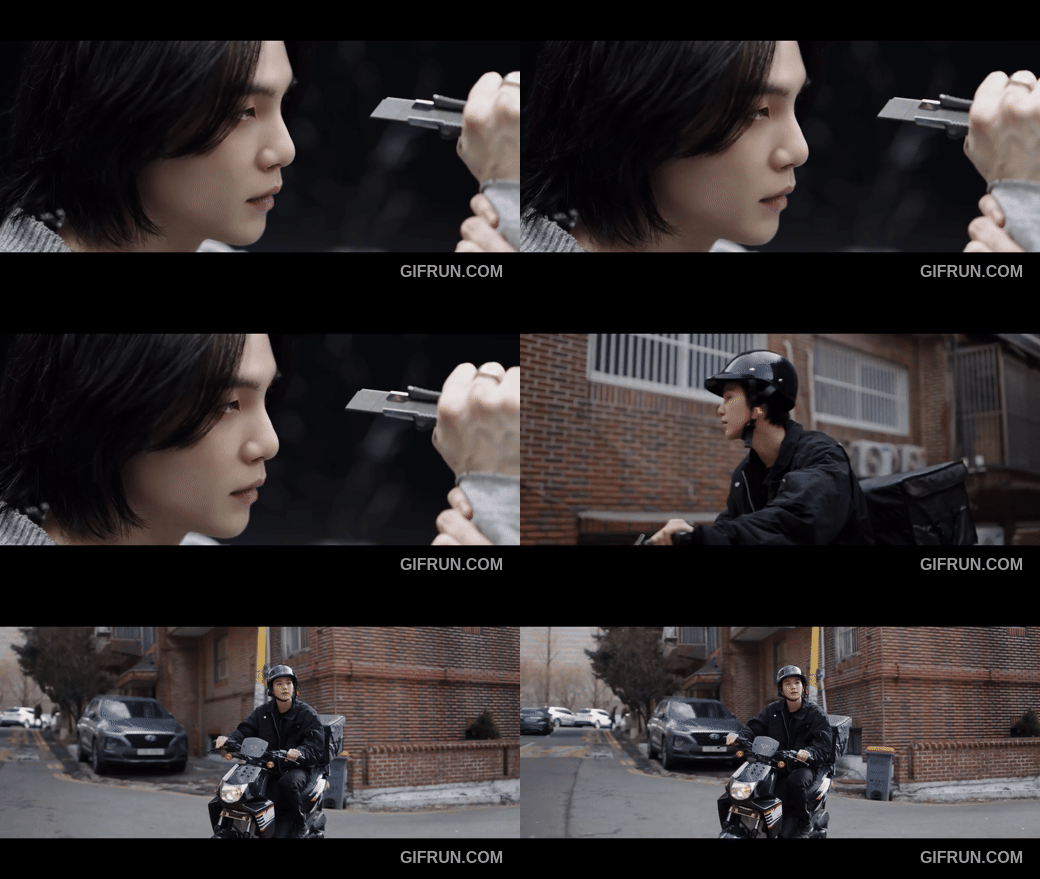
Both Namjoon and Yoongi have been the primary writers for BTS’ songs, kindled in feelings, mastered in incredible storytelling. Unsurprisingly, their solo albums were deeply personal too. Indigo felt like a love letter, RPWP felt like post break- up vengeful clarity and D-Day felt like a long hug from someone who truly understands you because he understands himself.
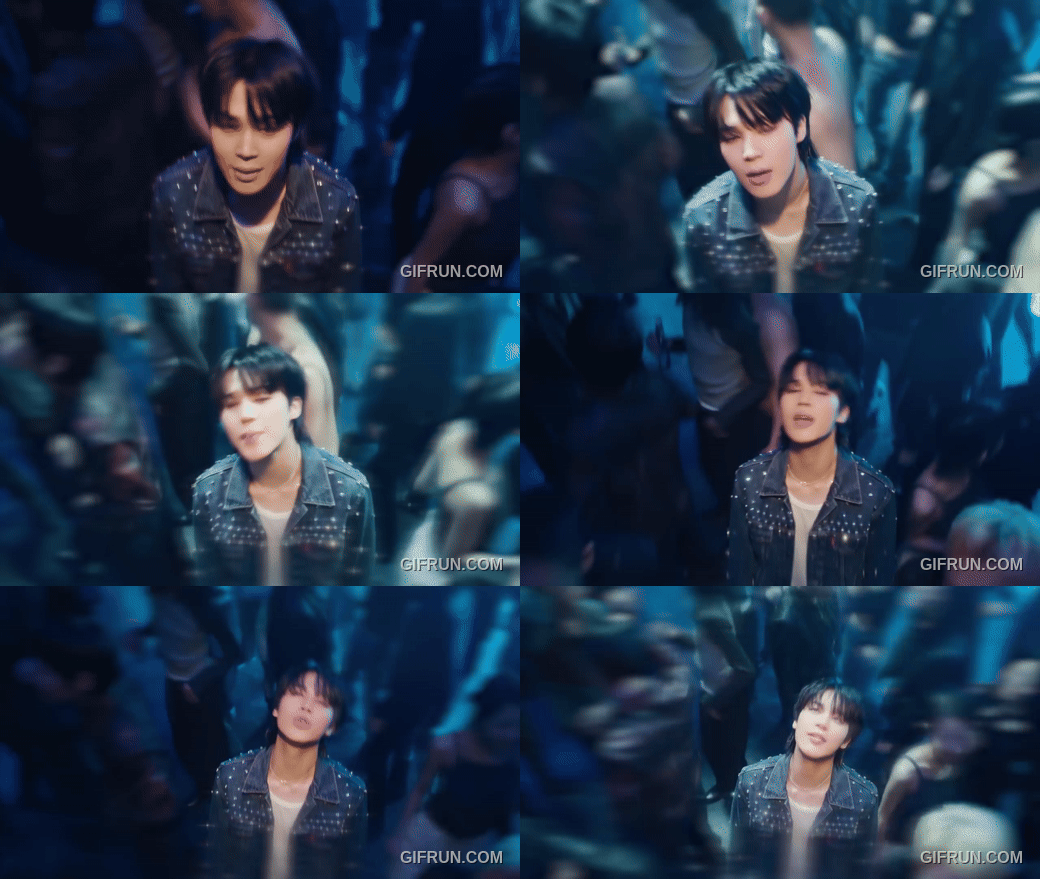
Jimin’s solo work was a surprise to me. Imagine being in a club reverberating with bass undertones of Afro beats and disco, soaked in true blue bisexual lights and an angelic voice trying to seduce you. That was Face for me, particularly the tracks, Like Crazy and Set Me Free Pt. 2. Jimin, even as part of BTS has always straddled fluidity; of gender, dance, voice. He also carries an intuitive sense of rhythm and moves with the grace of green bamboo. His innate sense of what sounds good went on to reflect strongly in Arirang.
Jungkook is the gold standard of performance, with impeccable vocals and grace. Being the youngest of the group, he looks up to his hyungs for inspiration often, even as he developed his personal style. He is playful, calm and has a sense of ease in how he lives life, rooted in the present moment. So much so, that I endearingly say that he operates on one brain cell; a space cadet with immeasurable talent. His newer solo works had fancy tracks like Standing Next to You but I will always love him for his soulful Begin.
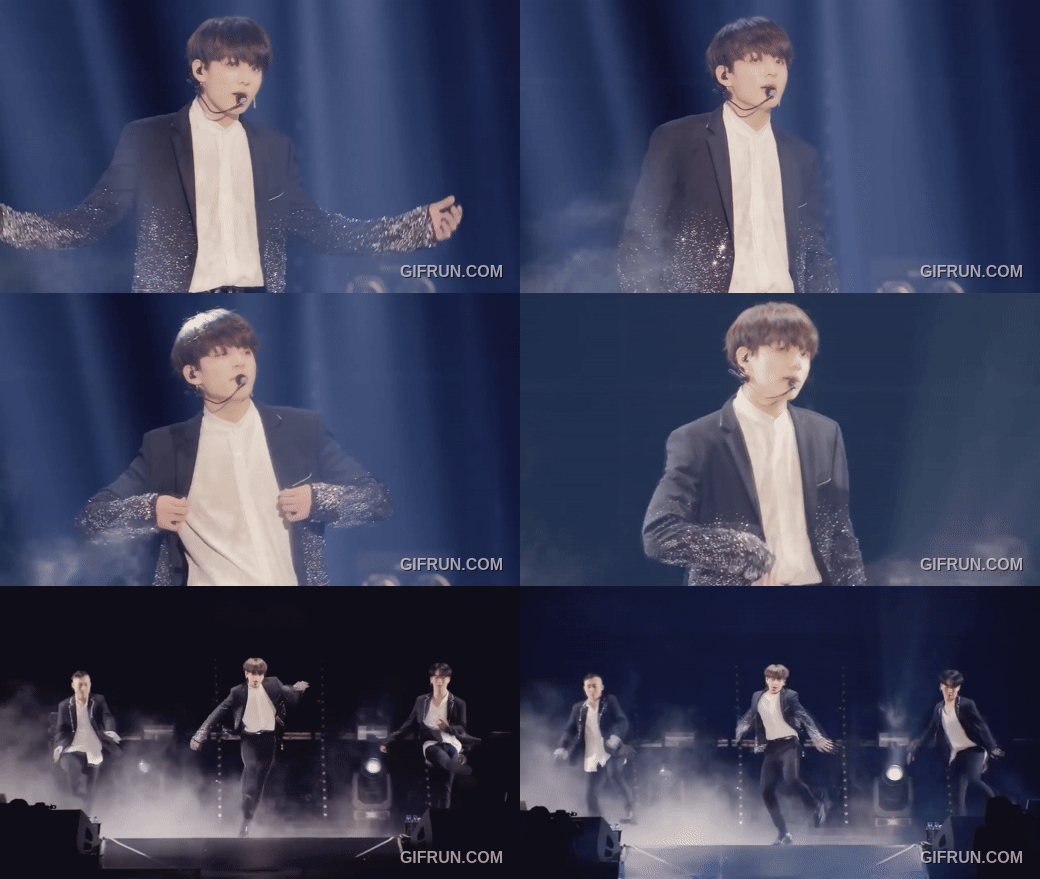
Hobi as a solo artist had mostly flown outside my radar, until Jack in the Box released. It sounded like grungy pop, such as in Arson, and it began his journey to unveil the true dom that he is. As he sank deeper into his style that combines tough choreography (that he makes look silken) and a rap style that cuts like a knife, Hobi evolved from a ball of sunshine (he still is that, though) into this smouldering machine who can command any stage. It has been wonderful, particularly when I got to witness his Bapsae hip thrusts (albeit a bit halal) in Jakarta last year at the Hope on the Stage Tour concert, along with more sublime numbers like Mona Lisa.
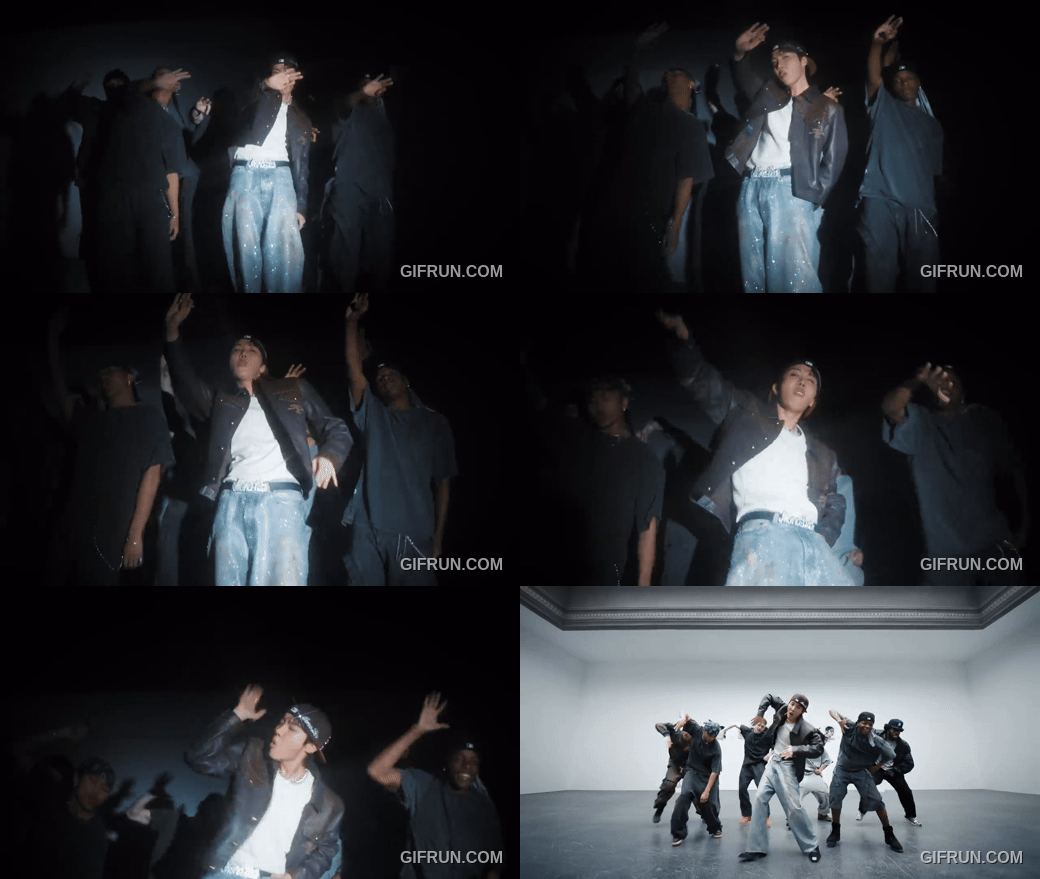
Jin, I have always found tough to read. His overt personality is funny, light-hearted, and he loves to make people laugh with silly antics. His vocals are clear and luminous like icicles in the sun. He does not hesitate to go the extra mile for amusement; of others and his own. We see this in the fun video-game like track Super Tuna (a dedication to his love for fishing). But, at the heart of it all, he is the glue and stabilizer that keeps BTS together. He is quietly mature, Namjoon’s rock, Jungkook’s hyung who would cook food for him when he was still attending school, apple of everyone else’s eye, kind when no one is watching. My favourite will always be Epiphany, his voice soaring like ribbons in the wind. And of course, can we really forget purple haired Jin from Pied Piper? Stomachs dropped.

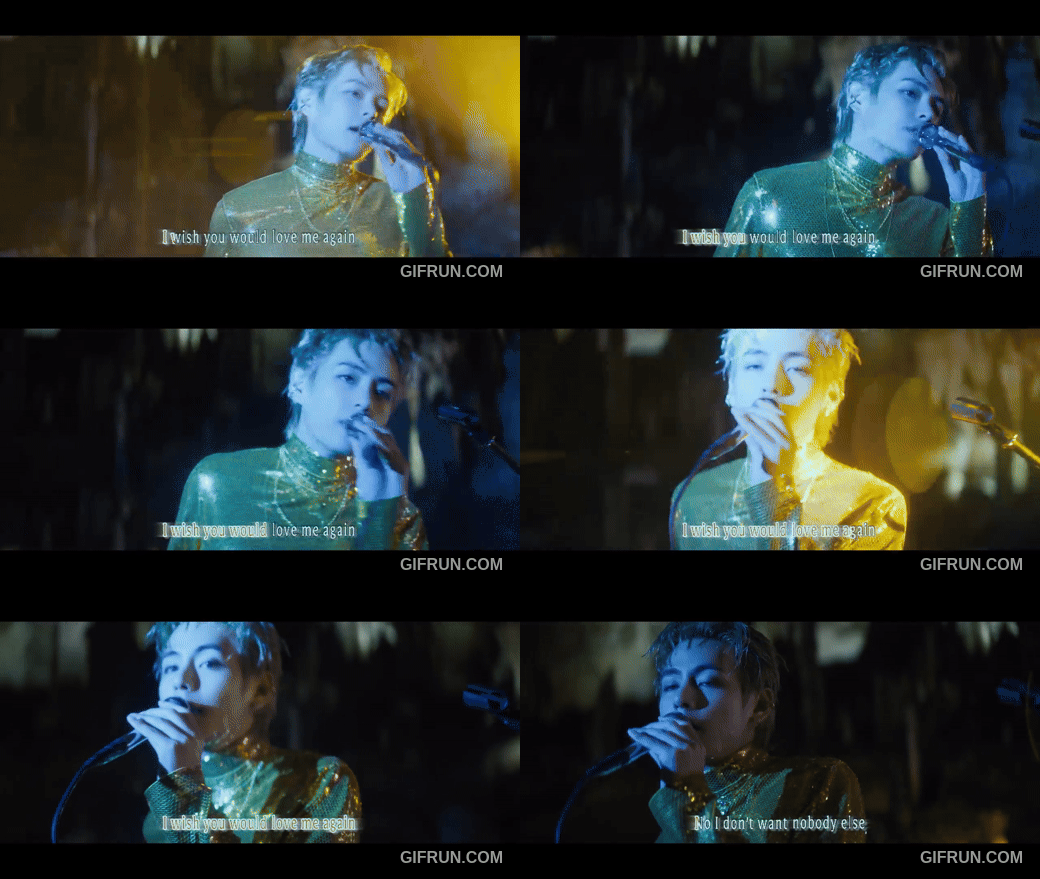
Taehyung’s solo album, Layover felt like a fever dream. He exists in a state of soft yearning, and is unafraid of showing it, often singing it in his chocolatey voice. His album had soothing jazzy numbers like Slow Dancing and Rainy days. But Love Me Again will transport you to unrequited love island and leave you torn the fuck up. Though the visuals of Tae crooning in a red sleeveless sequinned top alternated with a gold sequinned full sleeved version, swaying in the caves of Mallorca, help a fair bit.
Arirang is all of them together but not like before. The first time I listened to it, I felt lost. I could feel glints of their unique sound, but none of the lyricism was there. It felt a bit soulless and manufactured. Like most millenial Army, I also felt disappointed with the overuse of English in the tracks; I mean with tracks like Black Swan, 134340 and Blood, Sweat and Tears in their back pocket, Arirang initially felt like a far cry from the essence of BTS: meaning. It also felt like in their chase for authenticity, the album was coming off a bit contrived. Then I listened to it again. And again. AND AGAIN. The more I listened to it, the more I realised I was straining the tether of BTS from ten years ago. The new album was made after a gap of time when they have not only matured as independent artists, but also as humans, something I tend to forget. Their earlier work began when they were teenagers; at a time when they were hungry to prove themselves. Their talent was undeniable even then, but it was young. Now BTS has already arrived. So everyone, including them wondered: What next?
Arirang sounds grown up, more paced, and exudes a richer quality. A gravity. A lot of BTS’ past music has effervescent melodies, an eagerness that persists only in youth. A levity. Youth has been a strong part of their identities too, a reflection of the age obsessed culture in Korea. I don’t mean this pejoratively, but as something inexorable, particularly, in the Korean idol industry that forcefully ages you out after a point. It is at this juncture, that they are inventing themselves as artists in their 30s in South Korea, treading a path not many others have (not successfully anyway).
What has also been interesting is that all the members have stronger opinions now, and that made Arirang distinct from previous BTS works. We see this in the documentary BTS: The Return on Netflix, when Namjoon and Yoongi cringed at the folk song sample in Body to body as being overkill, but Hobi and Jimin loved it and convinced for it to remain on the track. This healthy debating feels refreshing, and going forward will also perhaps ease the burden on Namjoon who has been leading the crafting of their songs since the beginning. Body to body is charting on the Billboard as I write this (as are most of the tracks from the album).
Arirang feels like the BTS members are more sure of themselves. They sound independent together, not co-dependent; signifier of a healthier foundation of their inter se relationships and what they create as a group.
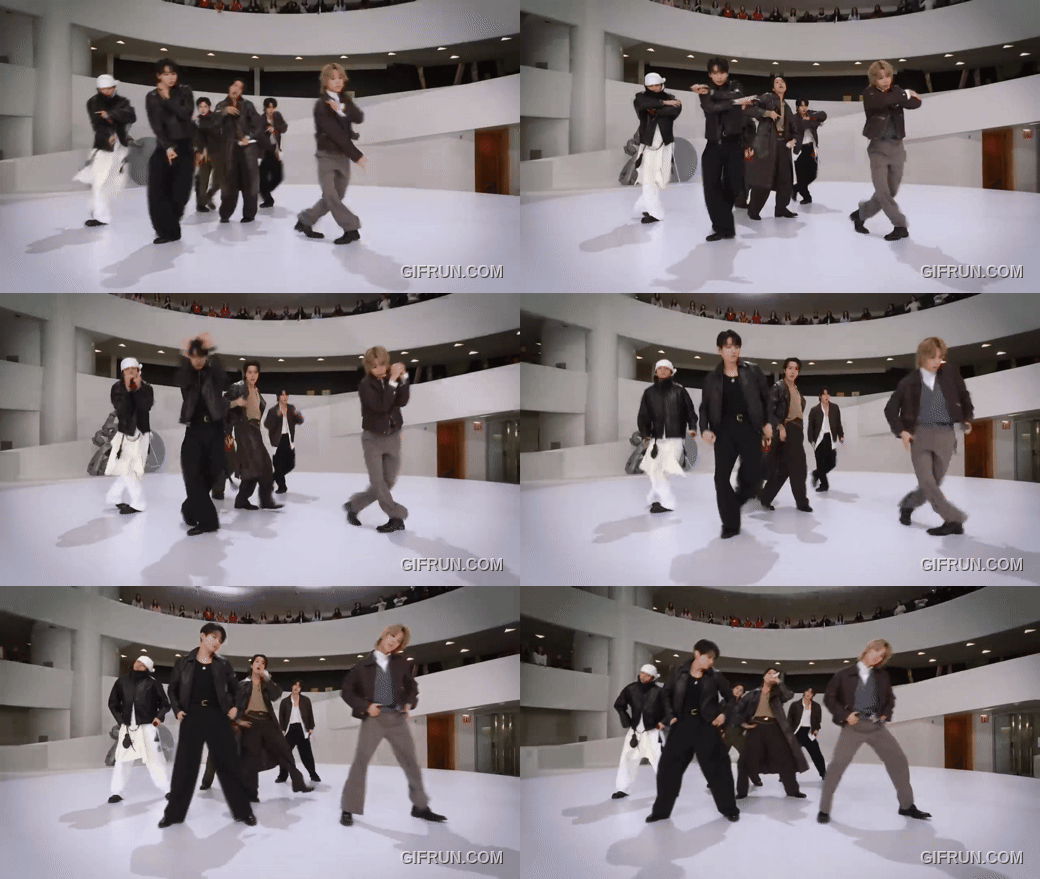
Body to body as the opening track packs a punchy beat, and eventually flows out into a sample of the original folk Korean song Arirang, cementing the flavour of the album. Hooligan feels naughty, like an attractive trouble maker. The lyrics felt a bit weak at first, but the fresh choreography in designer Jay Songzio’s modern Korean inspired outfits brought it together. And of course, this Jinkook moment is just, chef’s kiss.
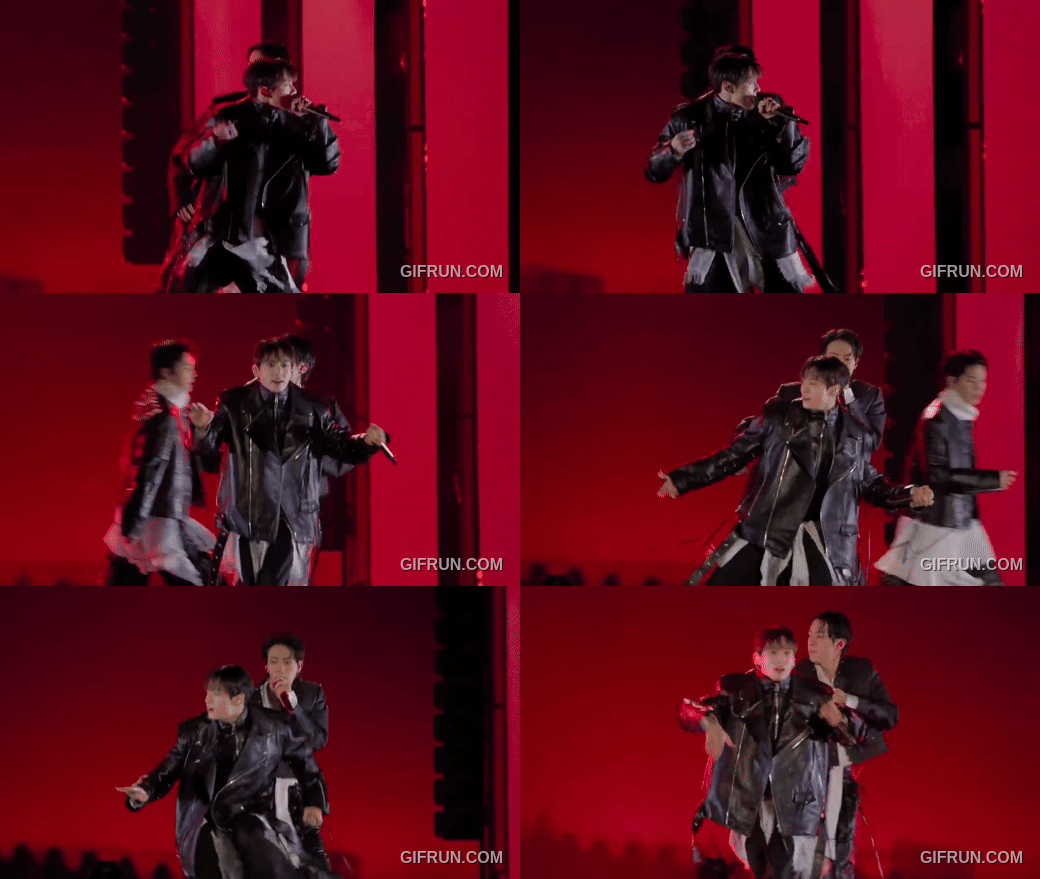
FYA is the elder brother of Fire. Aliens is their reckoning of penetrating the international platform with a nod to their roots. 2.0 is just indulgent with its deeper tempo beats. No. 29 is brazen and cheeky. My favourites however are they don’t know ’bout us, One More Night and Please. They remind me of the transcendental quality of older BTS songs, but with more sophistication. With fresher irresistible hooks, but full of the old yearning. These three tracks soothe the yearning lover in me, and make me feel like a cool kid.

The making of Arirang was not without some stress and hindrances. There was a tight timeline to finalise the album soon after they were all out of the military, they had shareholders to satisfy, and ensure that they were ready for a comeback tour in spring of 2026. There was also (not so) implicit pressure from Bang Si-Hyuk (founder of Hybe, the company under which BTS is signed) and other management to use more ‘relatable’ (read English) lyrics to ‘appeal to the masses’. There were some incongruences and pushback from the members on this, but a compromise, a middle ground had to be reached, and quickly. Some of these insights into the writing of the songs and making of the tracks are shown in the documentary.
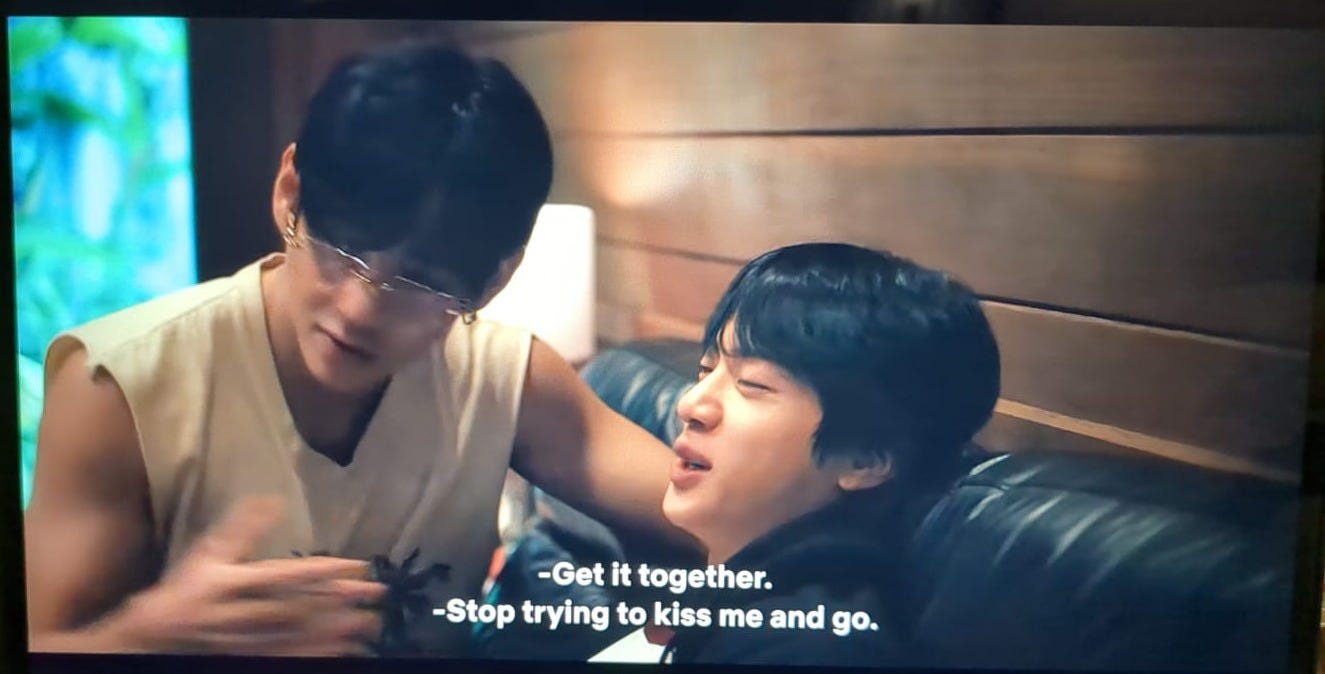
The busy schedules of the members also had to be aligned and fit, which was an enormous task in itself. One fallout of this was that Jin couldn’t play as much a part of the making of Arirang as he wanted to; he was caught up with his solo tour and shoots. We see some of this sadness in Jin in the documentary too, my favourite scene is when he is telling Taehyung that he is feeling lost and Tae says, we all are, in the most affection way, gently holding him. Jin impishly quips, don’t try to kiss me, go! Tae just holds on. I love them so much.
This brings me to the bond among the boys. The tenderness and consideration they have for each other feels like the rare sense of belonging that makes me believe people can be good. It may sound hyperbolic to someone who has not been a fan, but to be burdening a multi-million dollar business and still have so much kindness as humans is magical to me.
Watching them was also the first time in my life I saw grown men being comfortable with vulnerability, being soft and expressive with affection. They are tender in a way that will make hackneyed masculinity cower. They hug, pile on to each other like a brood of excited puppies, hold hands. Their friendship feels like the forever kind. It is one of quiet resolute, that says hey I am always here. And they have; through tears, injuries, setbacks, joy and celebration. This emotion also finds a way to reach the hearts and sensibilities of their listeners, which makes them deeply connected. Their loyalty towards their fans shines in the dedication to their art, the discipline of their craft. I have found comfort, inspiration and courage through them and their music. Even on the unbearably low days their love lingers and lightens.
Arirang has also helped me settle into my own sense of being. For a long time I did not know how to be an adult in my 30s despite aggressive introspection and driving my friends up the walls with my circular thoughts. I often feel worried about not having the same level of ambition and energy that I did in my 20s. Is this it? Is this all - being tired all the time and not knowing where to go? Somehow, navigating the 20s felt natural, but now I feel awkward - how to be? Now that I am learning to be gentler with myself, how do I implement this refrain? Where is the frame of reference, the blueprint?
But seeing them begin again, with an energy that feels more stable, built on years of experience is slowly quenching my thirst for inspiration. The boys are cultivating stability borne out of curiosity and experience; not fear. Growing older felt confusing and intimidating, but growing older with BTS feels like I don’t have to do it alone.
As we wait for them to go on tour and release more music videos for Arirang, I can’t wait for the boys to open their concert with:
I need the whole stadium to jump
Put your phone down, let's get all the fun
You at the side, at the back, at the front.
My brain has been teased; worries assuaged; imagination captured; and heart stolen all over again.
And I’ll follow them Into the Sun.